Posts mit dem Label CDU werden angezeigt. Alle Posts anzeigen

14.03.2016

Germany: Weimarization or “new normalcy“ in Europe? Elections in times of the refugee crisis

Three similarities (or one generalization) can be established from the results of all three state elections ("Landtagswahlen") taking place in Germany last night. The second and third one are reminiscent of the pre-Nazi era in Germany, the Weimar Republic (1919-1932).


The first one: In all three elections, the incumbents, more due to their own charisma, less due to their party affiliations, came out as winners, sometimes even with significant gains.
 It became pretty clear early on in the evening, that Chancellor Merkel's party, CDU, has failed to re-gain state governments in two states of Southwestern Germany, Baden-Württemberg (10,7 million) and Rhineland-Palatinate (4 million), and has just barely managed to keep one in the Northeastern state of Saxony-Anhalt (2,2 million inhabitants).


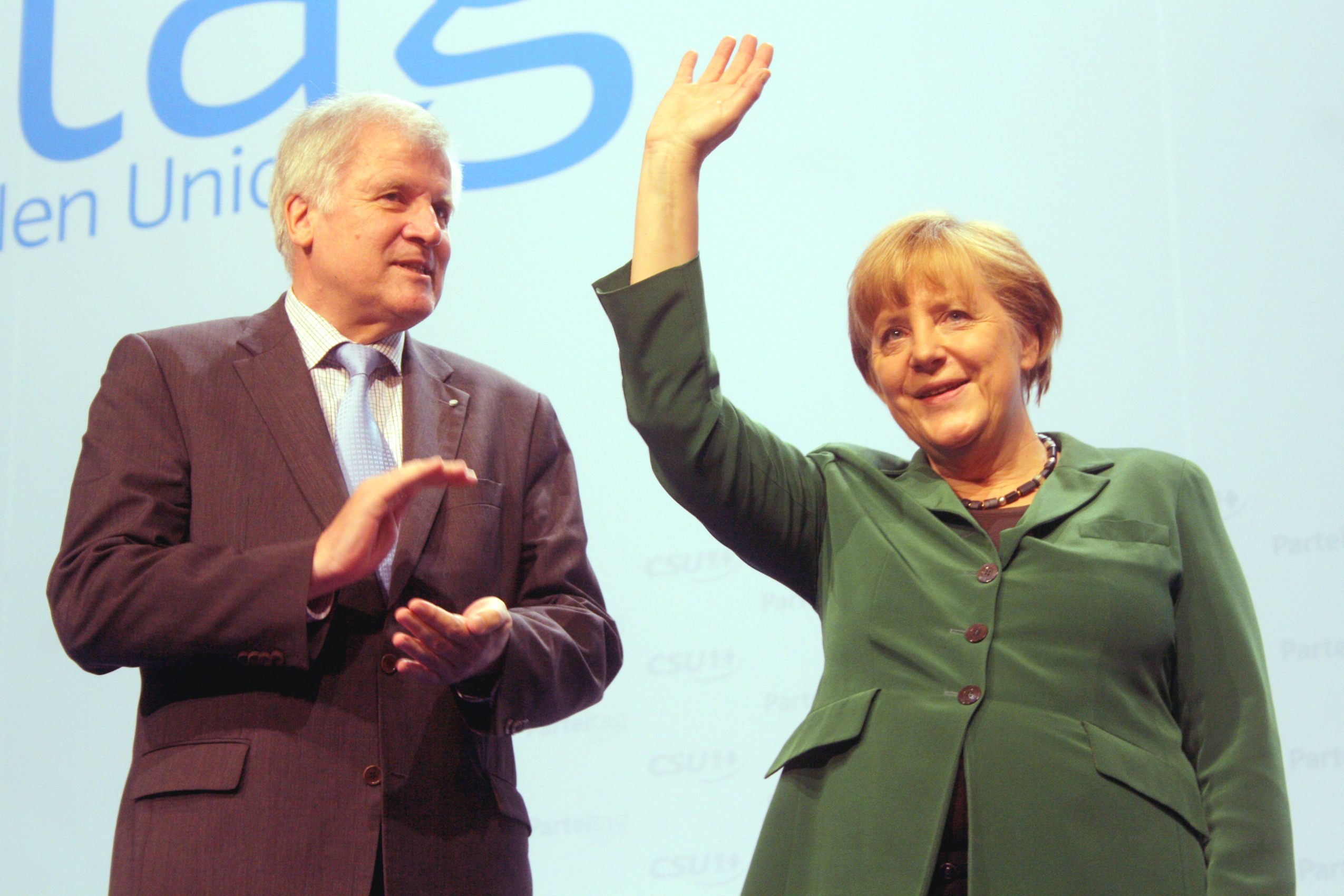
Chancellor Angela Merkel (CDU) with Winfried Kretschmann (Green Party), since 2011
Minister-President of Baden-Württemberg, the third largest German state ("Land") by population and one of three states where parliamentary elections were held yesterday, Sunday (March 13th)


The Chancellor's Christian Democratic Union suffered a disastrous result in its former stronghold Baden-Württemberg, where it had constantly governed for more than 40 years, until 2011, with almost a third of the seats lost, and for the first time, also the position as first party, which the Greens (normally and elsewhere a party of around 5-10% of votes) won, edging out the CDU's measly 27% with a result of 30 %. Many see this mainly due to the personality of of Minister-President Winfried Kretschmann, in contrast to the weak candidate of the CDU, Guido Wolf. In Rhineland-Palatinate, the CDU also failed, with Julia Klöckner, who is seen by many as one of the most hopeful possible successors of Ms. Merkel as party leader or even chancellor, losing to incumbent Marie Luise ("Malu") Dreyer of the Social Democratic Party (SPD). And in the Northeastern state of Saxony-Anhalt, the CDU's Rainer Haseloff is set to remain in power, although with a reduced majority and a new coalition.


And this is the second parallel: New coalitions will have to be formed. In all three states, the most likely outcome is a „Grand Coalition“ of the two biggest parties or even a three-party-coalition. This is becoming the "new normalcy", after decades of post-war Germany, when either a centre-right (CDU with the FDP (i.e. Liberal Democrats)) or a centre-left coalition (SPD with either the FDP, the Greens or (in East Germany) with "Die Linke" (the socialist "Left Party")) was almost always possible; now it's almost never and almost nowhere possible anymore across Germany. This “new normalcy“ is that there are now five parties in all of these (and now in most state) parliaments (as was also the case in the federal parliament (Bundestag) between 1990 and 2013, with a Grand Coalition CDU-SPD governing from 2005 to 2009 and again since 2013). Thus, the governing coalitions failed to gain the majorities that they won five years ago in all of the three states. A Green-CDU “Grand“ coalition is likely in Baden-Württemberg, a SPD-CDU coalition in Rhineland-Palatinate (they would be holding 60% and 75% of the seats, respectively) and a CDU-SPD-Green (“black traffic light“) coalition in Saxony-Anhalt (in this Eastern state, even those three parties together would barely have a majority (46 to the opposition 41). This “new normalcy“ reminds us of the situation in the Weimar Republic (1919-1932), a time of instability due to constant changes of governments and coalitions, with a multitude of parties, increasing radicalization, and the disaster of the coming into power of the fascist Nazi regime in 1933.


The logo of the far-right "Alternative for Germany", originally founded as
a neoliberal 
anti-Euro, Eurosceptic party in mid-2013, but having taken a clearly far-right
turn 
last summer (July 2015) at the beginning of the refugee crisis.


Which is linked directly to the third parallel:


27.11.2013

Merkel's pyrrhic victory, the demise of the FDP and the next German Grand Coalition: "Well Red" shows parallels and differences between the German and the British situation ahead of the next UK elections

PB is happy to link to "Well Red", the blog of Dave Levy on UK politics. He quotes the PB article on Merkel's Pyrrhic victory in the following piece, where he draws parallels between Germany after the recent elections and the situation of David Cameron's government and the Tory coaltion with the Lib Dems. Thus, he concisely analyses the state of the parties in Britain with regard to the next election, to be held no later than May 7, 2015.


"Germany turns Left" (by Dave Levy)

While I was meeting up with fellow conference delegates from Lewisham on Sunday night, the results from the German general election were being forecast and announced.
CDU/CSU (Conservatives; black/blue) 311, SPD (Social Democrats; light red) 192, Die Linke (Left Party; dark red) 64, Grüne (Greens; green) 63 seats in the 18th legislature of the Bundestag (Federal Diet) of Germany 


As expected the German conservatives increased their share of the vote and the number of seats in the Bundestag, the lower house of the German Federal Parliament, but their parliamentary allies and the source of their parliamentary majority, the Free Democrats (FDP) failed to reach the threshold required to get seats. The FDP have been voted out of the parliament and consequently the right wing are five seats short of a majority.
Since the other three parties in the parliament are the Social Democrats (SDP), the Greens (Die Grüne) and the Left Party (Die Linke), as Gregor Gysi, the leader of Die Linke points out in his article in the Guardian,How serious is Germany about its democratic principles?, there is a nominal left majority since the Greens have only ever allied themselves with the SDP in government.
The likely government will be a coalition between the CDU/CSU and the SDP. Gysi argues that the SDP’s historic refusal to ally with Die Linke is under challenge with the SDP and by historical necessity and that despite Merkel’s ‘victory’ there is a historic opportunity for the German left.
Further analysis of the impact in Germany’s domestic politics is carried in an article by Robert Scheele, called “Merkel’s Pyrrhic victory: the end of the „conservative-bourgeois“ neoliberal model? Will the loss of the FDP tear Germany’s conservative union of pragmatism and populism asunder?”, published in webzine called LeftEast. He argues that Merkel and the right will get their majority in the Bundestag, probably by forming a coalition with the SDP  but the loss of the FDP and their replacement by the SDP will drag the weight of the new coalition leftwards. The SDP will not want to repeat their experimentation with the policy corollaries of triangulation and Merkel, although not all her party, nor her allies, is happy to try and outbid the SDP on their own turf. In fact, it’s partly Merkel’s economic populism that has led to the SDP’s failure to make inroads into her majority, together with the memories of the Schroeder SDP government’s labour law reforms. This compromise with the SDP will be made easier because she no longer has the weight of the Free Democrats who were the main exponents of market supremacy, and particularly labour market efficiencies.

Scheele argues this competition to ‘win’ the mind share as the champions of the ordinary people, workers and families will drive the dynamic of the new coalition. Scheele also points out that there is a bigger left majority in the Bundesrat, the German federal upper house which will increase the pressure on Merkel, who has a massive personal mandate, to move to the left (or centre).  But while there are pressures to move to the centre, there will be opposition from the countervailing forces in parliament, their Bavarian allies, the CSU, and outside Parliament, the Alternative für Deutschland (AfD) who failed to enter parliament.


The result also places pressure on the Greens. They also are split between left and right, and this is  based on having two seperate voting constituencies. Scheele argues that their right, are the genuine conservatives; but capable and supportive of social solidarity. They  oppose development, oppose higher taxes, on wealth and property and are hawks on the issue of southern European debt restructure. He argues that many of them voted CDU this time, and that Merkel is co-opting the right Greens. The Green’s have also lost some of their left as they turn their back on pacifism and support the government’s domestic and international austerity programmes.
So Merkel has a problem, she can trim left and jeopardise her relationship with CSU and empower the AfD, such an approach might encourage the Greens to support the government or she can try and co-opt the SDP into a right-wing government appeasing the CSU and giving the AfD nowhere to grow. The former strategy jeopardises the right-wing hegemony, the latter strategy will be hard with a left majority in both houses of parliament.
Scheele is obviously making a polemic, and often the left is hopelessly optimistic but he may have a  correct insight, after all unlike me, he does live there, and so Merkel’s position is not as powerful as the exit polls and headlines suggest.

What’s this mean for Britain?


24.09.2013

Merkels Pyrrhus-Sieg: Das Ende des schwarz-gelben neoliberalen Auslaufmodells? Die Opferung der FDP als Zerreißprobe für die Union zwischen Pragmatismus und Populismus

Deutschland hat gewählt und der Unions-(Zweck-)Gemeinschaft aus Merkel-CDU und Seehofer-CSU eine satte Mehrheit beschert; aber dies ist für das rechte Lager ein Pyrrhussieg. Denn die Wählerschaft hat im Grunde genommen die schwarz-gelbe Koalition ab- und eine weiter links angesiedelte Große, d.h. schwarz-rote, oder eine schwarz-grüne Koalition gewählt. Angela Merkel triumphiert, aber muss, da ihr die absolute Unions-Mehrheit fehlt, in der nächsten Legislaturperiode (noch weiter) in die Mitte rücken und den Bruch mit der CSU und dem populistischen rechten Lager riskieren. Ansonsten steht, mittel- oder langfristig, eine rot-rot-grüne Mehrheit als Alternative bereit. Denn nicht nur fehlt ihr der gelbe Koalitionspartner, sondern dem nun nur noch schwarz-rot-grün-linken Bundestag, ohne Gelb, steht die linke Bundesrats-Mehrheit als Korrektiv gegenüber.

CSU-Parteichef und Ministerpräsident von Bayern, Horst Seehofer, und Bundeskanzlerin Angela Merkel (CDU), auf einem CSU-Parteitag

„Die Leute haben Merkel gewählt, nicht ihre Regierung“, schrieb dazu Jakob Augstein (bei Spiegel Online, 23.09.13). Die Kanzlerin, die auch von der geschickten Vereinnahmung vieler eigentlich spezifisch grüner und sozialdemokratischer Themen ("Klimakanzlerin", "Energiewende", Mindestlohn u.v.m.) profitiert hat, bezahlt ihren Triumph mit dem Verlust des Wunsch-Koalitionspartners, der FDP, die (am meisten von allen Parteien, außer der Linken) für den Neoliberalismus der 2000er Jahre stand; die (ehemalige?) Bürgerrechtspartei konnte auch von NSA-Skandal, Überwachungsstaat „und alledem“ in letzter Minute nicht profitieren. Die Merkel-CDU verursachte mit ihrem, wenn auch zähneknirschenden und fatalerweise zögerlichen, Bekenntnis zur „Rettung“ der Euro-Krisenstaaten auch das Erstarken einer rechtspopulistischen Partei, der „Alternative für Deutschland“, die weniger für eine Alternative als vielmehr für mehr „Deutschland“ steht. Nun muss sich die Kanzlerin, erstens, im eigenen Lager mit einer erstarkten populistischen CSU arrangieren. Zudem muss sie in einer (wahrscheinlichen) Koalition mit dem anderen Lager mit einer z.B. europa- und sozialpolitisch dissonanten SPD oder mit z.B. energie- und bildungspolitisch dissonanten Grünen auseinandersetzen und dennoch zusammenarbeiten. Drittens muss sie die Entstehung eines ihre Wählerschaft abziehenden euro-skeptischen und/oder deutschnational-chauvinistischen rechten Randes vermeiden. 

Bezeichnend, aber einleuchtend in diesen Zeiten der wieder zunehmenden politischen und sozio-ökonomischen Spaltungen (Stichworte Einkommensschere, Prekarität), dass die radikalste, aber sozio-ökonomisch glaubwürdigste, der drei (nun mit AfD vier) kleineren Parteien die stärkste geworden ist. Sie konnte ihre stimmige Botschaft, dass unter der Regierung aller anderen Parteien in den letzten zwanzig Jahren die reichsten 1% trotz (oder wegen der ?) Finanzkrise, Lehman Brothers „und alledem“ reicher geworden sind, sich die Einkommensschere aufgrund von Lohnstagnation oder gar -rückgang seit 1991 um 13% geöffnet hat und die Staaten zu Spielbällen der Finanzmärkte geworden sind, zumindest soweit vermitteln, dass sie zur drittstärksten Kraft wurde. Die SPD konnte nur minimal profitieren; ihr hängen immer noch die neoliberalen Reformen der Schröder-Jahre nach, die ihr vom linken Flügel nicht verziehen werden. Sie konnte nicht vermitteln, dass es aber zum Teil die Effekte jener Reformen waren, von denen die Merkel-Regierung ab 2005 und auch 2009 mit der FDP zusammen profitierte; der Verlust der Parteilinken wirkt schwerer als der Gewinn vielleicht einiger gemäßigterer Wähler aus dem sozialliberal-bürgerlichen Lager.

Dasselbe gilt in größerem Maße für die Grünen, die sogar leicht verloren. Die Partei, die den Zeitgeist der neuen, nicht nur bürgerlichen, sondern eher ökologisch-solidarischen Konservativen eigentlich wie keine andere verkörpert und deren Ideen Merkel plagiierend zumindest teilweise, wenn auch nach rechts verzerrt, umsetzt, konnten von ihrer Oppositionsrolle nicht profitieren. Und das trotz der von Schwarz-Gelb skandalös falsch umgesetzten Energiewende, die die Bürger mehr schröpft, die Unternehmen entlastet und die großen Energiekonzerne bereichert, trotz Lebensmittelskandalen „und alledem“. Die Grünen verloren wie so oft durch interne Grabenkämpfe an klarer Linie; das eher bürgerliche Wähler-Klientel verschreckten sie durch die Steuererhöhungs- und als Gängelung empfundenen Verbotspläne, das linke Klientel durch ihre recht widerstandslose Zustimmung zu Sozialabbau und Austerität in den Euro-Krisenstaaten und durch das Abrücken vom Pazifismus. Dabei wären die grünen Steuererhöhungen keine Spinnereien, wie von Schwarz-Gelb im Wahlkampf dargestellt, sondern würden nur in etwa den Sätzen der Ära Helmut Kohl (CDU) entsprechen. Und damals gab es eine Vermögenssteuer, die heute als Sozialismus bezeichnet wird. War Kohl also ein Sozialist? Aber der Zeitgeist scheint in dieser Hinsicht trotz Staatsschuldenkrise „und alledem“ immer noch oder noch mehr ein positiv ausgedrückt libertärer, negativ gesagt egoistischer zu sein, als ein solidarischer. Die bürgerlichen Besitzstandwahrer und sozialdarwinistischen Besserverdiener haben diese Wahl für die CDU entschieden, aber der FDP den Rücken gekehrt und somit das rechte Lager in Bundestag zu einem Ein-Parteien-Lager gemacht.


05.03.2013

Stuttgart 21 - aus aktuellem Anlass: "Titanic 21" steuert weiter schnurstracks auf Eisberg zu

Der DB-Aufsichtsrat hat am heutigen Dienstag entschieden, Stuttgart 21 trotz (fest stehender) Mehrkosten in Höhe von mehr als 50% des bisherigen Kostendeckels (6,5 statt 4,9 Milliarden €) zu bauen. Die Bahn, die Berliner Koalition und die SPD steuern damit weiterhin sehenden Auges auf den titanischen Eisberg zu.


Hauptsitz der Deutschen Bahn in Berlin


Läuft es nach BERliner Planungs- und Zeitmäßstaben, wird es nicht 2022, sondern 2032 bis zur Fertigstellung, nach Hamburger philharmonischen und Leipziger citytunneligen Kostenmaßstäben werden es eher 12-13 als 6,5 Mrd. Gesamtkosten, sowie nach Kölner stadtarchivarischen Tiefbau-Mäßstaben (nach vier Jahren übrigens immer noch nicht aufgeklärt!) eher eine geologische Gipskeuper-Pandorabüchse als ein hundsgewöhnliches Tunnelbohren. Selbst wenn aber all diese Maßstäbe nicht angelegt werden und diese Fälle nicht eintreten, ist S21 im "best case scenario" dennoch bereits jetzt unwirtschaftlich (im Sinne von betriebs- u. volkswirtschaftlicher Effizienz) und von der Finanzierung her (Mischfinanzierung) verfassungswidrig. Aber die irrational-nibelungentreuen Verstrickungen zwischen (schwarz-gelb-roter) Politik, Bahn und Immobilienwirtschaft scheinen zu fest, als dass man sie wie einen gordischen Knoten mit so etwas Rationalem wie betriebs- oder volkswirtschaftlichen Gesamtrechnungen zerschlagen könnte...

Hierzu heißt es bei "Bei Abriss Aufstand", einer Internetplattform der S-21-Kritiker ("Die Entscheidung des DB-Aufsichtsrates ist unverantwortlich"):
"Die Entscheidung des Bahn-Aufsichtsrats ist im höchsten Maße unverantwortlich, denn nun soll noch mehr Steuergeld für Stuttgart 21 verbrannt werden. Die Aufsichtsräte haben nicht einmal auf die Berechnungen des Bundesrechnungshofs gewartet. Die Ausstiegskosten, die die Bahn benennt, sind vollkommen unrealistisch hoch, ebenso wie schon jetzt klar ist, dass die wahren Projektkosten weit über den jetzt zugegebenen Kosten liegen – politisch gewollte Zahlendreherei und ein Hohn für alle Steuerzahler. Kanzlerin Merkel wird sich noch wundern, wie ihr diese Entscheidung im beginnenden Wahlkampf auf die Füße fallen wird, denn der Protest gegen Stuttgart 21 wird weitergehen, schon am nächsten Montag mit der 164. Montagsdemo gegen S21. Und das Tunnelprojekt Stuttgart 21 wird an seinen unzähligen technischen Problemen scheitern – vom mangelhaften Brandschutz über unbeherrschbare geologische Risiken bis hin zu ungezählten Planungsfehlern."

Ein treffender Kommentar auf facebook zum Thema: "
Diejenigen, die diesen Wahnsinn entschieden haben, werden ja niemals finanziell betroffen sein."

Das von Vertretern der Berliner Regierungskoalition so wie von "Führungskräften", also "Leistungsträgern" der Deutschen (Börsen-)Bahn, "hochkarätig" besetzte Gremium hat also erneut für die weitere Privatisierung von Steuergeldern, d.h. die Sozialisierung der Mehrkosten bei gleichzeitiger Gewinnmarge für die (bald Privat-) Bahn und die Immobilienwirtschaft entschieden.